
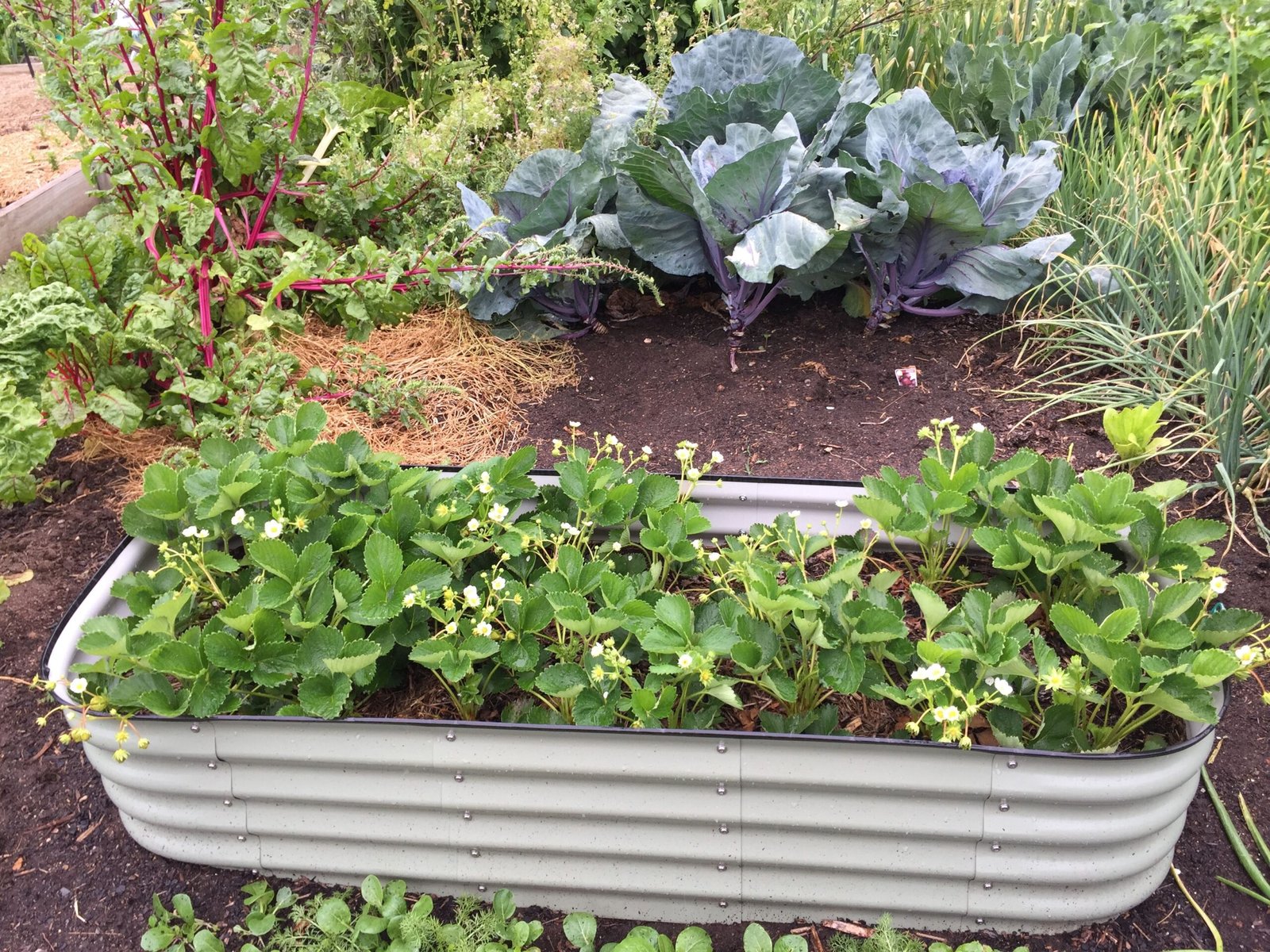
Choosing between corrugated metal vs cedar raised garden beds is one of the most critical structural decisions for backyard vegetable and cut-flower gardeners. Raised garden beds eliminate native soil compaction, optimize drainage, and protect tender root networks. However, selecting the wrong wall material can lead to premature structural rotting, elevated summer root temperatures, or budget overruns.
In this outdoor construction and horticulture guide, you will examine the engineering properties, real-world longevity, thermal dynamics, and build costs of corrugated metal vs cedar raised garden beds to build the ideal setup for your growing zone.
1. Material Breakdown: Aluzinc-Coated Steel vs. Western Red Cedar
Understanding how these materials react to persistent soil moisture, organic acid buildup, and extreme freeze-thaw cycles is essential before breaking ground.
| Performance Metric | Corrugated Metal (Aluzinc / Galvalume) | Western Red Cedar (Rough-Sawn) |
|---|---|---|
| Expected Lifespan | 20 to 30+ Years | 10 to 15 Years |
| Rot / Insect Resistance | 100% Rot-proof and termite-proof | High (Natural thujaplicin oils resist decay) |
| Soil Heat Transfer | Reflects radiant sun; edges warm faster in spring | Excellent natural thermal insulation |
| Structural Fastening | Stainless steel bolts with rubber washers | Heavy-duty exterior structural ceramic screws |
| Initial Material Cost | $150 – $250 per 4×8 ft bed | $220 – $350 per 4×8 ft bed (Premium 2×6) |
| Maintenance Required | Zero maintenance | Optional exterior linseed oil seal every 3 years |
Just as choosing the right surface matrix matters for high-traffic surfaces—like evaluating epoxy vs polyaspartic floor durability—selecting an exterior bed material determines how many decades your structure endures outdoor weathering.
2. Soil Temperature Dynamics: The Summer Heat Myth
A common concern among growers is whether corrugated metal walls will bake tender vegetable roots during hot summer heatwaves.
- Albedo and Solar Reflection: High-quality corrugated metal beds utilize an Aluzinc (aluminum-zinc-silicon) or powder-coated finish. These light-colored reflective surfaces bounce radiant heat away rather than absorbing it.
- Thermal Mass of Soil: A standard 17-inch to 32-inch deep raised bed contains hundreds of pounds of damp potting mix. The massive thermal mass of the soil dampens temperature spikes, keeping root cores 2 to 3 inches away from the perimeter completely insulated.
- Early Spring Advantage: In northern climates with short growing seasons, corrugated metal beds warm the outer soil boundary 2 to 3 weeks earlier in spring, allowing earlier germination for cool-season greens like spinach and brassicas.
For indoor seedling starts prior to outdoor transplanting, review our blueprint for an indoor herb garden wire rack setup.
3. Structural Longevity and Fastener Corrosion
When building corrugated metal vs cedar raised garden beds, hardware selection dictates whether your bed lasts 5 years or 30 years.
Metal Bed Assembly Tips:
- Steel Gauge: Choose minimum 24-gauge or 22-gauge corrugated panels. Thin 28-gauge roofing metal flexes outward under the hydraulic pressure of wet soil.
- Fasteners: Use grade-304 stainless steel carriage bolts with EPDM rubber sealing washers to prevent galvanic corrosion between the screw head and the zinc coating.
- Top Safety Trim: Always cap exposed sheet metal edges with heavy-duty UV-stabilized rubber edging trim to protect hands during planting and harvesting.
Cedar Bed Construction Tips:
- Lumber Dimension: Use rough-sawn 2-inch thick lumber (nominal 2×6 or 2×8) rather than 1-inch boards, which bow outward under wet compost loads.
- Corner Reinforcement: Anchor interior corners with aluminum angle brackets or 4×4 cedar posts set on gravel pads. Avoid driving screws directly into end-grain.
For certified standards on food-safe lumber and exterior agricultural construction, consult the USDA National Organic Program Materials Guidelines.
4. Cost Analysis: DIY Build vs. Modular Kits
When calculating the true investment of corrugated metal vs cedar raised garden beds, evaluate replacement cycles: