
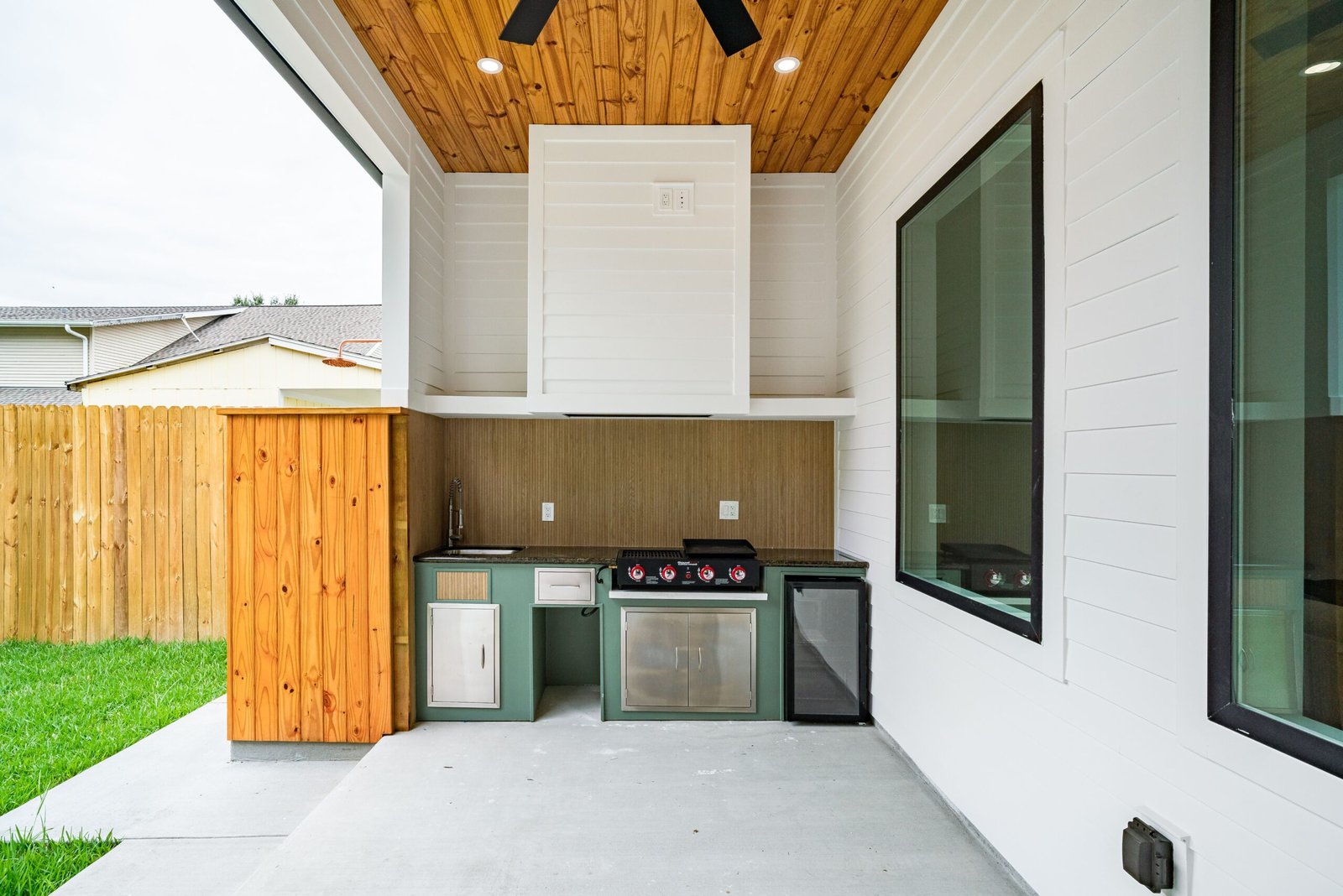
Routine outdoor grill maintenance is essential for preventing dangerous flare-ups, controlling cooking temperatures, and extending the lifespan of premium stainless steel barbecues. Leftover rendered fats, marinades, and carbonized food debris accumulate quickly beneath cooking grates, creating the primary fuel source for sudden flare-ups and flare fires.
Implementing a structured outdoor grill maintenance schedule ensures safe, consistent grilling performance all season long.
Grill Component Maintenance Checklist
| Component | Inspection Frequency | Cleaning Method | Replacement Interval |
|---|---|---|---|
| Cooking Grates (Stainless / Cast Iron) | After every cook | Wire brush while warm; burn off residue | Every 3 – 5 years |
| Flavorizer Bars / Heat Tents | Monthly | Scrape carbon crust; soak in warm degreaser | Every 2 – 4 years |
| Burner Tubes & Port Holes | Seasonally (Spring / Fall) | Wire brush ports; check spider webs / nests | As needed (Inspect annually) |
| Bottom Grease Tray & Catch Pan | Every 3 – 4 uses | Empty grease cup; scrape trough degreaser | Clean regularly |
1. Preventing and Handling Grease Fires
Accumulated grease in the lower firebox catch tray is the #1 cause of catastrophic grill fires.
- The Cause: When thick layers of animal fat ignite from direct burner flames or high ambient radiant heat, standard water application will only splatter burning grease and worsen the hazard.
- Fire Control: Turn off the gas supply valves immediately, close the grill hood to starve the fire of oxygen, and keep a multi-class chemical fire extinguisher nearby.
- Prevention Routine: Perform regular outdoor grill maintenance by scraping the lower grease tray after every high-fat grilling session (such as cooking ribeyes, burgers, or marinated ribs).
2. Burner Tube Maintenance and Port Cleaning
If your grill experiences uneven flame patterns, yellow flickering tips, or low maximum heat output, the burner ports are likely clogged with carbon deposits or blocked by insects.
- Remove Burners: Detach the cotter pins or mounting screws holding the stainless steel burner tubes in place.
- Clear Port Holes: Use a stiff wire brush or a specialized needle tool to clear blocked gas ports along the sides of the burner tubes.
- Inspect Venturi Tubes: Check the air shutter opening where the gas valve enters the burner. Clear out any cobwebs or debris built up during storage.
3. Deep Cleaning Stainless Steel and Grates
Maintaining exterior stainless steel finish prevents permanent pitting and rust corrosion caused by weather exposure and airborne salt.
- Grate Burn-Off: Heat the grill to 500°F (260°C) for 15 minutes to carbonize leftover food residues, then scrub thoroughly with a stainless steel bristle grill brush.
- Exterior Polish: Clean exterior hoods with a dedicated stainless steel cleaner, wiping strictly along the grain of the metal to avoid micro-scratching.
- Protectant Coating: Apply a light coat of food-grade mineral oil or specialized stainless protector to shield surfaces from acid rain and humidity.
4. Seasonal Spring Startup Inspection
Before firing up your outdoor kitchen for the first heavy-use summer weekend:
- Gas Leak Test: Brush a 50/50 mixture of dish soap and water over all LP tank fittings, regulator hoses, and manifold connections. Turn the gas valve open; bubbling indicates a dangerous gas leak requiring immediate tightening or hose replacement.
Final Maintenance Summary
Consistent outdoor grill maintenance protects your investment, eliminates unexpected grease flare-ups, and ensures precision high-heat cooking performance every time you step up to the barbecue.