
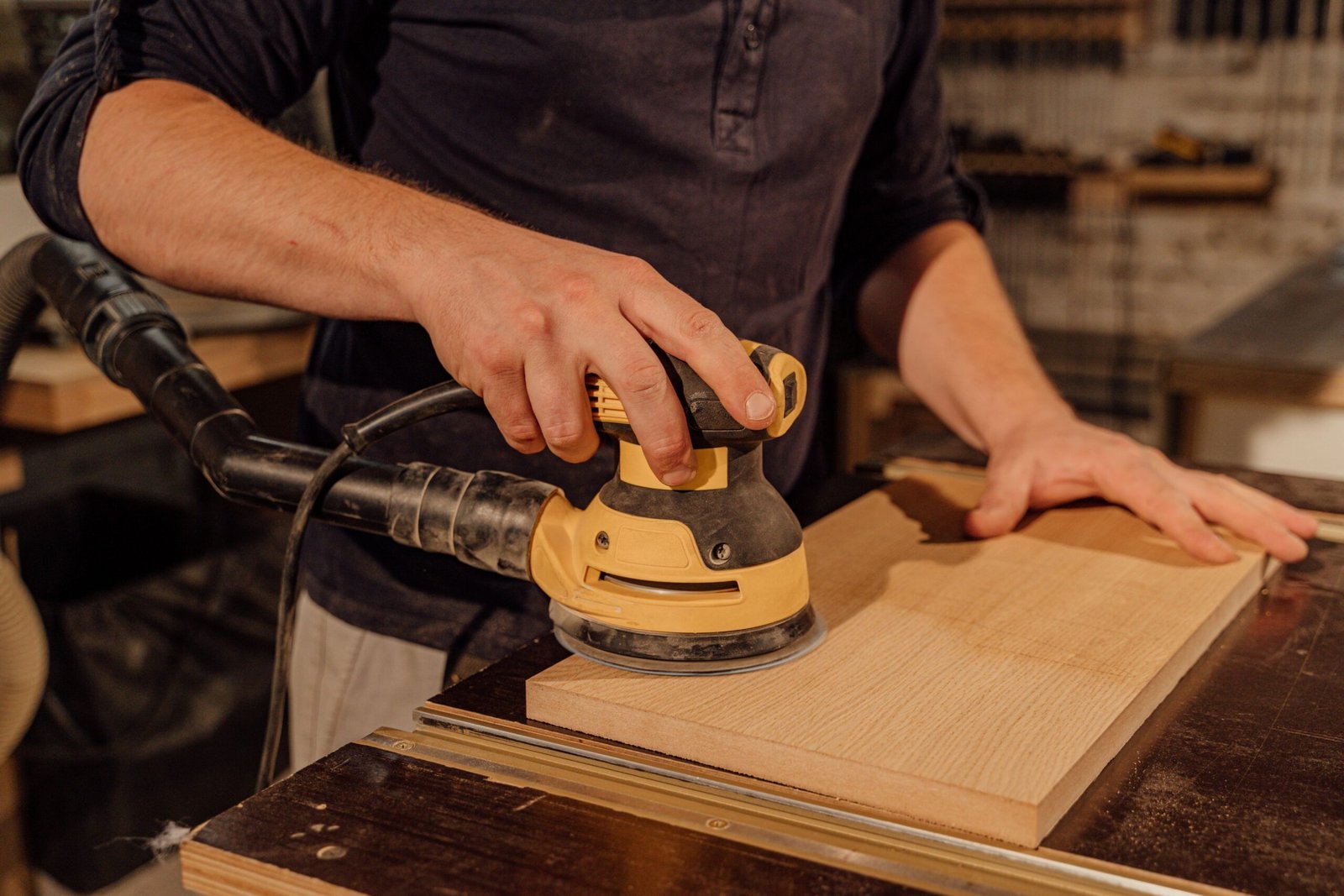
Choosing between a random orbital polisher (dual-action) and a direct-drive rotary buffer is the most important decision for anyone starting out with DIY automotive paint correction. While both tools remove clear coat imperfections, scratches, and swirl marks, their internal drive mechanisms deliver vastly different results and safety margins.
For home garage enthusiasts and weekend detailers, understanding the mechanical differences prevents catastrophic paint damage such as edge burn-through and heavy holograms.
Dual-Action (Random Orbital) vs. Rotary Buffers
| Feature | Random Orbital Polisher (DA) | Rotary Buffer (Direct Drive) |
|---|---|---|
| Drive Mechanism | Dual motion (Spindle rotation + eccentric orbital orbit) | Single direct-axis spinning motion |
| Friction / Heat Build-Up | Low to Moderate (Minimal risk of burning clear coat) | High (Rapid heat generation) |
| Safety Margin | High (Stops spinning under excessive pressure) | Low (Requires advanced trigger and angle control) |
| Correction Speed | Moderate | Fast |
| Best For | Beginners, DIY enthusiasts, light to heavy swirl removal | Production body shops, heavy wet-sanding scratch leveling |
Key Mechanism: Why Random Orbitals Prevent Paint Burning
A rotary buffer drives the backing plate directly from the motor shaft with constant mechanical leverage. If tilted on a sharp body line or held in one spot for more than a few seconds, it quickly generates enough friction heat to melt the clear coat.
In contrast, a random orbital polisher features a counterweight mechanism that introduces an eccentric orbit (typically a 12mm to 15mm throw). If the operator applies uneven pressure or catches an edge, the rotational force simply stalls while continuing to oscillate. This built-in slip safety makes clear coat burn-through virtually impossible for beginners.
Essential Detailing Supplies for Paint Correction
Before powering on your machine, assemble the proper pad and compound combination:
- Dual-Action Random Orbital Polisher (5-inch backing plate recommended for control)
- Foam Cutting and Polishing Pads (Microfiber cutting pads for heavy defects; medium foam pads for finishing)
- Compounds and Polishes (Diminishing abrasive compound for leveling; ultra-fine polish for gloss enhancement)
- High-GSM Microfiber Towels (Edgeless 400+ GSM towels for residue wipe-down)
- Surface Prep Spray (IPA) (Isopropanol-water mix or dedicated panel wipe to inspect true defect removal)
Step 1: Surface Decontamination
Machine polishing over embedded road grit or iron fallout will scour deep scratches into clear coat finishes.
- Two-Bucket Hand Wash: Thoroughly clean all painted panels with a pH-neutral car shampoo.
- Iron Decontamination: Spray a dedicated iron fallout remover over the paint and rinse.
- Clay Bar Treatment: Lubricate the surface and glide a synthetic clay mitt or traditional clay bar across the clear coat until glass-smooth.
Step 2: The Two-by-Two Section Method
- Pad Priming: Apply 4 to 5 pea-sized drops of compound evenly across a clean foam cutting pad.
- Spread Before Speed: Dab the pad across a 2×2 foot section of the panel before turning the machine on to avoid compound splatter.
- Speed Selection: Start at low speed (Speed 2–3) to spread the product, then dial up to correction speed (Speed 4–5).
- Arm Movement and Overlap: Move the polisher at a deliberate pace of 1 to 2 inches per second in a cross-hatch pattern (50% overlapping passes horizontally, then vertically).
- Let the Tool Work: Apply light, even downward pressure. Do not force the head down; allow the orbit and pad friction to level the clear coat.
Step 3: Inspect and Finish
- Wipe off compound residue using a clean microfiber towel without applying downward force.
- Spray panel wipe (IPA) to dissolve polishing oils and reveal true defect removal under direct LED inspection lighting.
- Follow up with a finishing foam pad and fine polish at medium speed (Speed 3–4) to maximize gloss and eliminate micro-marring.
Final Recommendation
For DIYers maintaining their own vehicles, a 15mm-throw random orbital polisher provides all the cutting power needed to remove 80–90% of swirl marks while completely eliminating the risk of ruining automotive paint.
1 thought on “Random Orbital Polisher vs Rotary: Best Buffer for Beginners”